As an Amazon Associate I earn from qualifying purchases.
Updated November 2026
Choosing fixtures and decor for your home comes down to four decisions: what each room needs to do, what style you want to live with, which finishes will hold up, and how big each piece should be. Work through those in order and you will end up with lighting, hardware, faucets and accessories that look like they belong together instead of a collection of impulse buys. This guide walks through each step, with checklists and a few measurements you can use right away.
Step 1: Start With Each Room’s Job
Before you look at a single light fixture or cabinet pull, decide what the room has to do every day. A kitchen needs task lighting over counters and sinks that is bright enough to chop vegetables safely. A bedroom needs softer, layered light and perhaps a reading lamp at each side of the bed. A bathroom needs fixtures that tolerate humidity and give even light at face level.
Shopping for one? See our guide: 6 Best Home Lighting Fixtures for Every Room (2026).
Write a short list for each room covering the main activities and the people who use it most. A household of five with one bathroom has different needs than a couple with a guest suite. Those answers will narrow your options quickly and keep you from buying a dramatic chandelier for a hallway that mostly needs good, even illumination.
Step 2: Pick a Style Direction, Not a Shopping List
Style gives your choices a common thread. You do not need to commit to one named style, but you do need a few rules. Common options include modern (clean lines, minimal ornament), transitional (classic shapes in simple finishes), farmhouse (warm woods and utilitarian metal), and traditional (more detail, richer materials). Most homes work best with one primary style and one accent.
A practical way to find your direction is to collect 10 to 15 photos of rooms you like and look for repeats. If the same metal finish, shape or material keeps showing up, that is your anchor. Save these in one folder so you can compare new items against them before buying.
Step 3: Match Finishes Across the Whole House
Finish is where many otherwise good rooms fall apart. Brass, brushed nickel, matte black and chrome can all look good on their own, but mixing too many in one space makes it look unplanned. A reliable approach is to choose one dominant metal finish for fixtures that get the most attention, such as faucets, cabinet hardware and main light fixtures, and allow one secondary finish for smaller accents.
Check finishes in the same light you will use at night. A warm-toned brass can look golden under a showroom bulb and yellow under a cool LED at home. If you are unsure, bring a sample of the wall paint or flooring with you when you shop.
Common finish families
| Finish | Works well with | Things to watch |
|---|---|---|
| Polished chrome | Cool whites, gray, modern and clean-lined spaces | Shows water spots; needs frequent wiping |
| Brushed nickel | Mixed woods, transitional rooms, soft neutrals | Can look flat next to strong warm tones |
| Matte black | Contrast with light walls, industrial or farmhouse looks | Can show dust and fingerprints on some surfaces |
| Unlacquered brass | Warm woods, green or navy accents, classic rooms | Patinas over time; some owners prefer that look |
| Oil-rubbed bronze | Traditional and rustic spaces, dark wood | Can read as dark or muddy in low light |
Step 4: Check Size and Scale
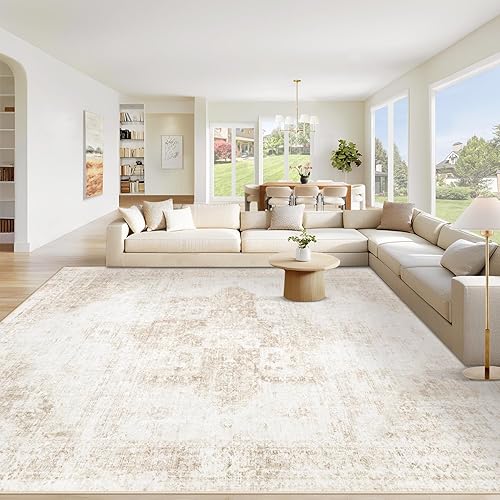
Scale mistakes are the most common reason decor looks off. A pendant that is too small hangs over a dining table like an afterthought. A rug that is too small makes the whole seating area look like it is floating. Measure before you buy.
- Dining room pendant or chandelier: A common guideline is a diameter of about 12 to 18 inches less than the table’s width, and hanging the bottom roughly 30 to 36 inches above the table surface.
- Bathroom vanity light: Mount fixtures at about 75 to 80 inches above the floor, with the light spread across the width of the mirror.
- Bedroom area rug: In many bedrooms, a rug that extends 18 to 24 inches beyond each side of the bed works well.
- Kitchen cabinet pulls: Standard drawer pulls often run 3 to 5 inches center to center; check the listing for the exact spacing before buying, since hardware holes vary.
Use painter’s tape on the floor or wall to outline the footprint of a large piece before you commit. Five minutes of taping can prevent a return.
Step 5: Plan Lighting in Layers
Good lighting is more than a single ceiling fixture. Most rooms benefit from three layers: ambient light for general visibility, task light where you work or read, and accent light to highlight art, shelves or architectural features. Each layer can be controlled separately with dimmers or switches, which makes a room feel more comfortable at different times of day.
For color, many homeowners look for LED bulbs in the 2700K to 3000K range for living areas and bedrooms and slightly cooler temperatures in kitchens and work spaces. Check the light’s color temperature on the packaging, and make sure any dimmer you buy is listed as compatible with that bulb type.
Step 6: Build Decor Around Function and Repetition
Decor works best when it has a job. A mirror can bounce light into a dark hallway. A woven basket can hide charging cables and remotes. A runner can define a walkway in an open-plan space. Pick accessories that solve a small problem before you pick ones that just fill a shelf.
Repetition ties a room together. Repeat one or two colors, one material such as wood or ceramic, and one shape across the room in different sizes. Three objects of varying height on a console table look more deliberate than one lonely vase.
Step 7: Shop, Test and Confirm Before You Install
Before buying anything expensive, check specifications. Confirm electrical fixtures are rated for your fixture box and the bulb type you plan to use. Confirm faucets match your sink’s hole count and deck configuration. Confirm cabinet hardware spacing. Read the manufacturer’s installation instructions, since requirements vary by brand.
Keep your receipts and packaging until everything is installed and working. Returns for lighting and plumbing usually have time limits and restocking conditions that are easy to miss.
Common mistakes
- Buying every piece in one store or one collection, which can look flat and overly matched.
- Mixing four or more metal finishes in one room.
- Hanging light fixtures too high over tables or too low in walkways.
- Choosing rugs and art based on a photo without measuring the actual wall or floor space.
- Ignoring bulb color temperature, which can make a finished room feel wrong even with good fixtures.
- Skipping the dimmer compatibility check and then wondering why lights flicker.
Tips for a cohesive home
- Finish one room at a time, but keep a shared list of finishes, colors and materials for the whole house.
- Buy the expensive or high-use items first, such as faucets and main lights, and fill in accessories later.
- Leave some open space on shelves and walls so decor has room to breathe.
- Live with a new fixture for a week before deciding on accessories around it.
Recommended gear
Some simple tools make planning and installation easier and reduce scale mistakes.
- Laser level: A line-projecting laser level helps you align pendants, sconces and mirrors level across a wall. View on Amazon
- Painter’s tape: A low-tack blue painter’s tape lets you outline rug and furniture footprints on floors without leaving residue. View on Amazon
- Non-contact voltage tester: Verify a circuit is off before you remove an old fixture, and confirm wiring before installing a new one, or hire a licensed electrician for the work. View on Amazon
- Stud finder: Locate framing before hanging heavy mirrors or shelves so they stay secure. View on Amazon
FAQ
Should my light fixtures match my faucets?
They do not need to be identical, but using the same finish family in both places helps a room look planned. Matching exact shades is less important than keeping the overall tone consistent.
How many lights does a room need?
Most rooms look best with at least two light sources, such as a ceiling fixture and a lamp, so light is not concentrated in a single spot. Larger rooms often need three or more layers.
Can I mix wood tones with metal finishes?
Yes. A common approach is to pick one dominant wood tone and one dominant metal, then use smaller amounts of a second finish to add contrast.
How do I know if a pendant is the right size?
Compare the fixture’s diameter to the table or island below it, and check its height above the surface. Measuring with tape on the floor first is the simplest way to confirm.
What color temperature should I choose for bulbs?
Warmer tones in the 2700K to 3000K range suit living rooms and bedrooms, while slightly cooler tones are often preferred in kitchens and workspaces. Choose based on how you want the room to feel.
Do I need a licensed professional to install fixtures?
Replacing a simple light fixture or swapping a faucet is within reach for many homeowners, but any new wiring, moving of electrical boxes, or significant plumbing work should go to a licensed electrician or plumber. Check local permit requirements before starting structural or electrical changes.
How often should I update decor?
There is no fixed schedule. Many homeowners refresh accessories and textiles seasonally while keeping major fixtures for years, which keeps the home feeling current without a full remodel.
Conclusion
Choosing fixtures and decor for your home is easier when you start with function, then build style, finish and scale around it. Measure before you buy, layer your lighting, and keep your finishes to a short, consistent list. Work one room at a time and you will end up with a home that feels intentional rather than assembled in a hurry.
Related reading
- Best Smart Lighting for Your Home: How to Choose the Right System (2026)
- Best Decorative Lighting: 7 Factors to Choose Fixtures That Fit Your Home
- 5 Best Home Decor Accents: Picks for Shelves, Mantels and Coffee Tables
- Best Outdoor Home Improvement Products: A Buyer's Guide by Project
- Best Kitchen Upgrades: 9 High-Impact Projects for Your Home
- 7 Best Living Room Decor: Picks for Every Style
- 5 Best Bedroom Decor: Picks for a Cozier Room (2026)